
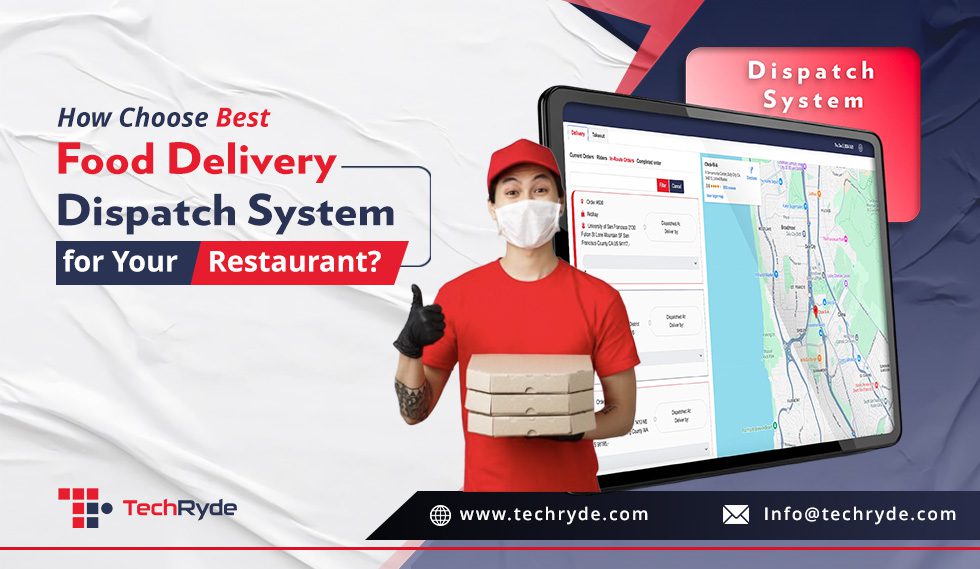
Food delivery did not start as the main focus for restaurants. For many, it was just an extra option. That has clearly changed.
Today, delivery plays a big role in daily revenue, and when it is not handled well, problems show up very fast. Late orders, confused drivers, unhappy customers, and stressed staff usually point to one issue. The delivery process is not properly managed. This is why choosing the right Food Delivery Dispatch System matters more than ever.
This guide explains what to look for and what actually helps in real restaurant operations.
What Is a Food Delivery Dispatch System?
What is a delivery dispatch system? It is a software that controls how orders move after they leave the kitchen. It helps assign drivers, track deliveries, plan routes, and share delivery updates with customers.
Unlike generic delivery tools, a restaurant-focused dispatch system understands prep time, peak rush hours, and the importance of food arriving fresh.
Why Restaurants Need a Dedicated Dispatch System?
Many restaurants still rely on phone calls, manual notes, or basic tools to manage deliveries. This might work on slow days, but it quickly breaks down during busy hours.
Common issues include:
- Drivers waiting while food is still cooking
- Orders getting delayed during rush periods
- Heavy reliance on third-party platforms
- No clear visibility into delivery performance
A dedicated dispatch system brings structure and removes guesswork from the process.
Key Features to Look for in a Food Delivery Dispatch System
1. Real-Time Order Visibility
You should always know where an order stands. From preparation to pickup to delivery, real time tracking helps teams act before delays turn into complaints.
2. Smart Driver Assignment
Manually assigning drivers wastes time and leads to mistakes. The system should automatically match orders to drivers based on distance and availability. The TechRyde dispatch systems can even choose the most cost-effective driver from 3rd party and In-House driver fleet.
3. Route Planning and Optimization
Better routes mean faster deliveries and lower fuel costs. A good dispatch system uses live traffic data to choose the most efficient path.
4. Accurate Delivery Time Promises
Customers do not like vague delivery estimates. The best systems calculate delivery time using kitchen load, traffic, and weather, then update customers if anything changes.
5. In-House vs Third-Party Cost Comparison
Not every order should go to a third party. A strong dispatch system helps restaurants decide which option is cheaper for each order and assigns it accordingly.
6. Centralized Dashboard
All delivery activity should be visible in one place. Switching between tools slows everyone down and increases errors.
7. Ease of Use and Scalability
A system that looks good but is hard to use will not last long in a busy kitchen. The right dispatch software should be easy to learn and simple to operate.
It should also support growth. Whether you run one location or many, the system should offer centralized visibility with local flexibility.
8. Reporting and Performance Insights
A good food delivery dispatch system does more than move orders. It also shows what is working and what is not.
Useful reports include:
- Average delivery time
- Cost per delivery
- Driver performance
- Peak time delays
- Failed or late deliveries
These insights help restaurants fix issues before they become expensive problems.
Managing In-House and Third-Party Delivery Together
Most restaurants use a mix of in-house drivers and third-party delivery services. Managing them separately creates confusion.
The right dispatch system allows restaurants to manage both through one platform. Orders are assigned based on cost, distance, or availability without manual effort. This gives flexibility while keeping control.
Integration With Existing Restaurant Systems
A dispatch system should connect easily with the tools you already use. This includes:
- POS systems
- Kitchen display systems
- Online ordering platforms
- Third-party delivery apps
Without integration, staff end up re-entering orders and fixing mistakes that should not happen.
Common Mistakes Restaurants Make
One common mistake is choosing the cheapest tool or a system built for general logistics. Another is ignoring integrations and customer communication features.
The best food delivery dispatch system is designed specifically for restaurant workflows, not just moving vehicles from point A to point B.
Takeaway
Choosing the right food delivery dispatch system is not just about speed. It is about control, consistency, and reducing stress for both staff and customers.
Restaurants that invest in the right delivery technology usually see fewer errors, better margins, and happier customers over time.
If you want expert advice or help setting up a food delivery dispatch system that fits your restaurant, book a call with the TechRyde team and get guidance tailored to your operations.