
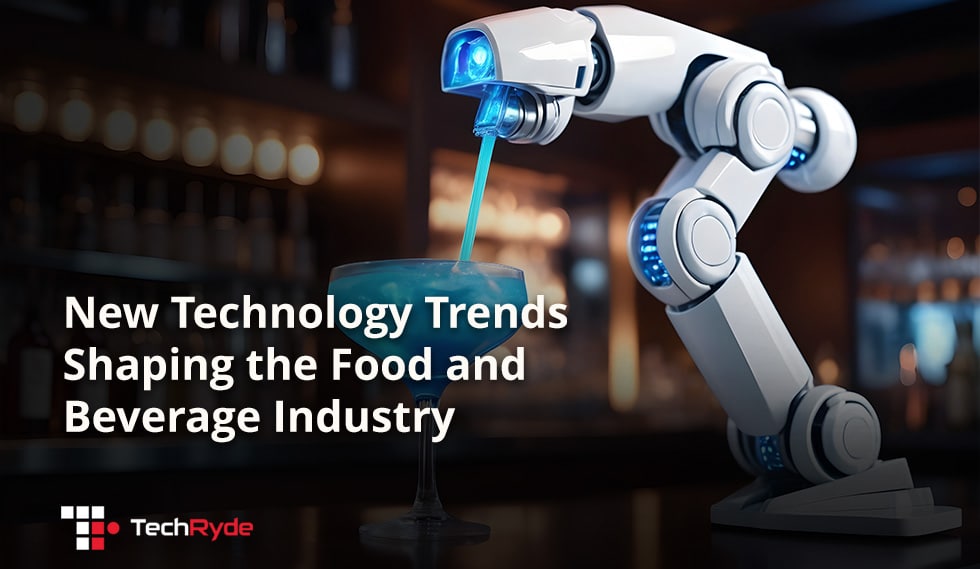
The restaurant industry doesn’t stay still for long. Many of what worked five years ago is almost irrelevant today. Consumer habits are shifting, technology is speeding things up, and expectations keep climbing. It’s a mix of pressure and opportunity.
Some businesses are struggling to keep pace, while others are finding ways to thrive by leaning into the changes. If you look closely, a few big restaurant industry trends stand out right now, and they’re not just temporary fads.
Which Technology Trends Will Shape the Restaurant Industry in 2026?
The following restaurant industry trends are likely to define how the sector grows over the next few years:
The Rapid Shift Toward a Fully Digital Restaurant Ecosystem
It used to be that a restaurant website and maybe a delivery tie-up were enough. Not anymore. The restaurant industry is leaning heavily into a digital-first ecosystem. Mobile ordering, QR menus, third-party delivery apps, loyalty programs built into apps; all of this has become standard.
The numbers back it up, too. According to a study, the global food and beverage market is worth over $8.9 trillion as of 2022. A lot of that growth is fueled by digital platforms that bring restaurants closer to customers.
It’s one of the clearest trends in the F&B industry: go digital or get left behind.
Why Sustainability Is Becoming a Core Business Strategy, Not Just a Trend?
Another thing that stands out is sustainability. It’s no longer just a marketing buzzword. Customers notice when packaging is eco-friendly, when menus cut down on waste, or when sourcing is transparent. And they’re willing to pay attention and sometimes even pay more for it.
For the F&B industry, that means tech solutions are being used not just to make money but to reduce waste and improve efficiency. AI-powered waste tracking, better supply chain visibility, and eco-friendly packaging are becoming staples.
Sustainability isn’t a soft “trend” anymore; it’s a competitive edge.
Using Technology and Automation to Address Ongoing Labor Shortages
Anyone in the F&B industry knows how tough staffing has been. Labor shortages are still here, and training new staff takes time and resources. That’s why automation and robotics have stepped into the spotlight.
Self-service kiosks, automated baristas, smart ovens, and even robots handling repetitive prep tasks; these are no longer futuristic ideas. They’re practical fixes showing up in restaurants everywhere. It’s one of those F&B industry trends that started as a patch for a labor problem but is slowly turning into a standard operating model.
How Artificial Intelligence Is Transforming Restaurant Operations End-to-End?
AI in the restaurant industry is shaping everything from the back of house to customer-facing services. AI systems predict demand more accurately than humans, cutting down on food waste and making sure the right inventory is stocked.
In the kitchen, AI-driven tools like smart kitchen display systems help prioritize orders, balance workload, and prevent errors before they reach customers. On the customer side, AI is behind chatbots, recommendation engines, and even voice-powered ordering.
Meeting Rising Customer Expectations Through Personalization
One of the softer but equally important shifts is personalization. People don’t just want food, they want to feel understood. Apps that remember your order, restaurants that recommend dishes you might like, loyalty programs that are actually tailored, this is all powered by tech.
It’s subtle, but these personalized touches make the customer experience more memorable. And yes, this ties back to AI in the F&B industry, because AI crunches all that customer data to figure out what to offer next.
Building Resilient Operations with Smarter, Tech-Enabled Supply Chains
The pandemic showed how fragile the supply chain can be. Shortages, delays, missing ingredients, we all saw it play out. That’s why the F&B industry is investing heavily in smarter supply chain management.
Using blockchain and IoT sensors, companies can now track food from farm to table. That transparency doesn’t just cut down on losses; it builds trust with customers who care about where their food is coming from.
Why Creating Memorable, Shareable Dining Experiences Is Becoming Essential?
Dining out is not just about food anymore. People are looking for something more, something they can remember and even share later. In 2026, restaurants are putting a lot more thought into the overall experience.
You see this in small ways and big ones. Open kitchens, chef’s tables, themed interiors, even how dishes are plated. Some places get it right, others are still figuring it out. But the intent is clear. Make the visit feel special.
Social media has a big influence here too. A well-presented dish or a unique space can travel far online. But it is not just about looking good. Service, music, lighting, how staff interact with guests, all of it adds up.
At the end of the day, people remember how a place made them feel. Restaurants that understand this tend to stand out, even if everything is not perfect every time.
The traditional dine-in model is slowly changing. Many restaurants are not relying on just one way of doing business anymore. Instead, they are mixing things up.
It is common now to see a restaurant handling dine-in, delivery, takeaway, and even running virtual brands from the same kitchen. Some are experimenting more than others, and not everything works right away, but that is part of the process.
This approach helps make better use of space and resources. It also gives restaurants a bit of a safety net. If dine-in traffic slows down, delivery or takeaway can help balance things out.
There is also a shift in mindset here. Restaurants are not just physical locations anymore. They are becoming more flexible businesses that can adapt depending on what customers want at that moment.
It is not always smooth, and there can be operational challenges, but overall, this model is becoming harder to ignore in 2026.
Wrapping Up
The F&B industry is at one of those turning points where technology isn’t just supporting business operations, it’s rewriting them. Digital platforms, sustainability initiatives, automation, personalization, smarter supply chains, these aren’t side projects anymore; they’re core strategies.
If you’re in the F&B industry and looking for ways to automate your restaurant or kitchen operations, we can help.
Schedule a demo today and see how we can bring automation to your operations.